CFR • Cranial Facial Release

A powerful cranial adjustment with unique health advantages

CFR is a advanced cranial adjusting technique that uses a endonasal, balloon-assisted approach, and has shown to be very effective in addressing various neurological and structural conditions.

This website is intended exclusively for informational purposes and for booking appointments.

A specialized technique particularly indicated for Bell's Palsy, Trigeminal Neuralgia, Post Concussion Syndrome, Facial and Head Trauma, Snoring, and more.

Who is this for?

When symptoms persist and nothing seems to fully work.

It's common to try multiple treatments and still feel like something hasn't fully resolved. If any of the situations below feel familiar, you may benefit from a different, more targeted approach.

Headaches & facial pressure

Recurring headaches, migraines, or a persistent feeling of pressure around the eyes, temples, or sinuses.

Breathing & sinus discomfort

Ongoing nasal congestion, restricted airflow, or sinus issues that keep returning despite treatment.

Dizziness, tinnitus or imbalance

Episodes of vertigo, ringing in the ears, or a general sense of instability without a clear cause.

Sleep & nervous system tension

Difficulty sleeping, high stress levels, or a constant sense of tension that's hard to switch off.

What is CFR?

A specialized technique to adjust the cranial bones

Cranial Facial Release (CFR) is designed to help open the breathing passages and support mobility within the cranial system, particularly around the sphenoid bone. This process aims to support healthy cranial function and overall physiological balance.

The technique involves the insertion of small, specialised balloons into the nasal passage (nasopharynx), which are briefly inflated in a controlled manner. This precise action helps mobilise the bones of the face and cranium.

Treatment is delivered over a structured series of four consecutive days, with specific bilateral inflation patterns applied in each session. For optimal results, most individuals complete three to four series (12-16 treatment days), allowing for a progressive and cumulative effect.

Is it safe?

  • CFR is a controlled and well-established technique performed using precise, standardised protocols. Each step of the process is carefully applied to ensure consistency, accuracy, and patient safety throughout the treatment.
  • The procedure itself is brief and targeted, using a small specialised balloon equipment, designed specifically for this approach. The inflations are quick and controlled, minimising discomfort while working within the body's natural range of movement.
  • It's also adapted to each individual, taking into account their condition, sensitivity, and response to treatment. This personalised approach helps ensure that the technique is applied appropriately, supporting both safety and effectiveness.
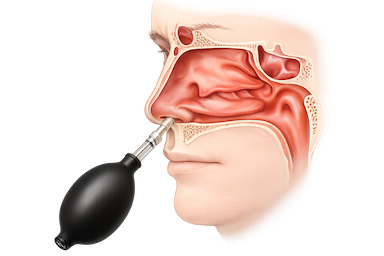
During this process, each inhalation increases intrathecal pressure within the cranial vault, causing the cranium to expand and relax.

Each cranial bone moves according to its own "direction of motion". When any individual cranial bone becomes affected by "fixation" or restricted motion, the flow of CSF to the corresponding area of the brain may be impeded.

According to medical doctor and researcher Dr. A.D. Speransky, this can contribute to a wide range of symptoms and neurological disorders, including visceral disease. In The Theory for the Basis of Medicine, Dr. Speransky explains the direct relationship between mechanical pressure on the control centers of the brain and the genesis of disease.
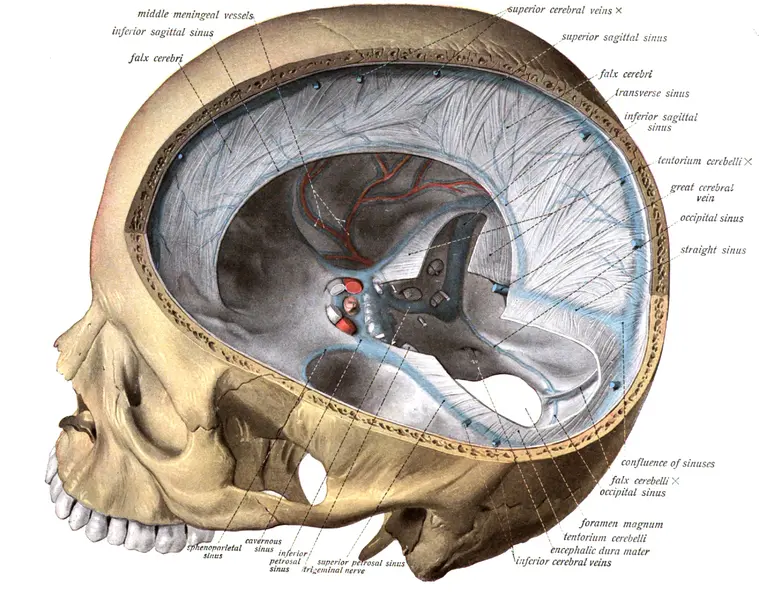

Anatomical illustration of the human skull in lateral section, showing the cranial cavity with the dura mater, venous sinuses, cerebral veins, and surrounding cranial bones.

How it works

A controlled and precise procedure

CFR is delivered through a short series of structured sessions, using a precise and controlled approach to restore movement within the cranial system. This process helps relieve restriction, improve airflow, and support the body's natural ability to regulate and recover.

Improved Mobility

Cranial Facial Release (CFR) works by gently restoring movement within the bones of the face and cranium, particularly in areas that can become restricted over time.

Easier Breathing

By supporting mobility within the cranial system, the technique may help optimise airflow through the nasal passages and support overall cranial function and physiological regulation.

Reducing Pressure & Tension

These changes can reduce pressure, ease tension within the cranial system, and improve overall regulation of the nervous system. As a result, many of the symptoms associated with restriction and imbalance (such as headaches, sinus issues, or fatigue) may gradually improve.

Treatment planning

Personalized three step process

The treatment is delivered through structured series using precise bilateral inflation patterns designed to mobilize facial and cranial structures. Each protocol is tailored to the individual and progresses in planned stages to achieve optimal results.

01

Evaluation

Initial assessment to understand symptoms, anatomy and determine whether CFR is appropriate.

02

Planned Sessions

Treatment is performed in a 4-day series using specific inflation sequences, typically repeated over 3-4 series for maximal benefit.

03

e-evaluation

Progress is reviewed between series and the treatment plan refined based on individual response.

Schedule your appointment with a certified practitioner now!

If you've tried different approaches without lasting relief, a consultation may help you explore a different path forward.

Benefits

Support for Breathing, Neurological and Craniofacial Conditions

Cranial Facial Release may support patients experiencing airway dysfunction, neurological symptoms and craniofacial-related conditions. By helping support mobility and function, treatment may contribute to improved breathing, reduced pain and enhanced quality of life.

Breathing Disorders

May help improve nasal airflow and support more efficient breathing patterns.

Sleep Apnea

Supports airway function and may reduce symptoms associated with obstructive sleep apnea.

Chronic Sinus Issues

May assist with sinus drainage, pressure reduction and chronic congestion.

Migraine Relief

Can help reduce cranial tension associated with recurrent migraines and headaches.

Facial Paralysis

Supportive treatment approach for conditions such as Bell's Palsy and facial nerve dysfunction.

Trigeminal Facial Pain

May help reduce discomfort related to trigeminal neuralgia and facial pain syndromes.

Post-Concussion Recovery

Can support patients experiencing lingering symptoms after concussion

Post-Stroke Support

May contribute to functional support in selected neurological rehabilitation cases.

Additional Functional Conditions

CFR may benefit other structural, neurological and airway-related conditions following assessment.

Recommendations

Who Can Benefit from Cranial Facial Release

Cranial Facial Release may be considered for individuals seeking support for airway dysfunction, cranial restrictions and certain neurological or structural concerns. Following a detailed assessment, treatment suitability is determined on a case-by-case basis.

Recommended for

Individuals with Functional Airway, Structural or Neurological Concerns

CFR may be appropriate for patients presenting with symptoms associated with cranial restriction, impaired breathing function or select neurological complaints, particularly when conventional approaches have provided limited results.

  • Breathing dysfunction, snoring or sleep apnea
  • Chronic sinus congestion or deviated septum patterns
  • Migraines, cranial tension or facial pain syndromes
  • Post-concussion or selected neurological recovery support
  • TMJ dysfunction and craniofacial structural imbalance
  • Patients seeking complementary support after limited response to conventional care

Not recommended for

When CFR May Not Be Appropriate

As with any specialized procedure, treatment may not be indicated in some situations and requires professional screening prior to care.

  • Acute nasal infection, severe inflammation or recent nasal trauma
  • Immediate post-surgical cases unless medically cleared
  • Certain unstable vascular or neurological conditions
  • Cases where intranasal procedures are contraindicated
  • Patients with cranial metal plates

FAQs

Find answers to common questions

Learn more about how this technique works, what to expect during treatment, and whether it may be appropriate for you.

  • What is Cranial Facial Release (CFR)?

    Cranial Facial Release is an advanced endo-nasal technique designed to support airway function and cranial mobility through brief balloon-assisted inflations in the nasopharynx. It is used as part of a structured treatment protocol and always begins with individual assessment.

  • How does the treatment work?

    Tiny endo-nasal balloons are gently placed within specific areas of the nasopharynx and briefly inflated in precise patterns intended to mobilize facial and cranial structures. Treatment is typically delivered in 4-day series and may involve multiple series depending on the case.

  • Is the procedure painful?

    The procedure is not painful. Most patients describe the experience like the sentation of jumping into a pool and water shooting up the nose. Some temporary discomfort or sensitivity can occur, but the procedure is generally well tolerated.

  • How many sessions are usually needed?

    Many patients complete treatment in a series of 4 consecutive treatment days, with 3-4 series often recommended for maximal benefit, though protocols vary according to individual needs and response.

  • Who performs CFR and what training is required?

    At present, this procedure is practiced in Portugal by only two certified chiropractors with specific postgraduate training in this specialized technique. As an advanced endo-nasal procedure, CFR should only be performed by qualified practitioners with appropriate certification, extensive hands-on training and clinical experience.

  • Are there contraindications or situations where CFR may not be appropriate?

    Yes. As with any specialized procedure, suitability must be assessed individually. Certain acute infections, recent surgeries, trauma cases or other medical considerations may require caution or make treatment inappropriate until cleared.

  • Where can the treatment be performed?

    Cranial Facial Release is offered exclusively at the clinical locations where the two certified practitioners provide consultations. Please refer to the Contacts section for current treatment locations.

Contacts

Where to find us

Appointments are available across three clinical locations through Portugal's two certified Cranial Facial Release practitioners. Contact us using the shared details below and find the most suitable location for your consultation.
This procedure is performed exclusively by certified practitioners specifically trained in the technique.

This website is intended for informational purposes and to facilitate appointment booking only and does not constitute medical advice, diagnosis, or treatment. CFR should only be performed by a qualified and certified CFR practitioner following professional evaluation.